Saints‚ revered figures in various faiths‚ embody exemplary lives of holiness and virtue. Their stories‚ spanning centuries‚ offer guidance and inspiration to believers worldwide.
Exploring saints provides a rich understanding of faith traditions‚ historical contexts‚ and the enduring power of spiritual devotion‚ as evidenced by numerous feast days.

What is a Saint?
A saint‚ fundamentally‚ is an individual recognized for exceptional holiness and a life dedicated to divine principles. This recognition isn’t automatic; it signifies a profound connection with the sacred and a demonstration of extraordinary virtue. Across various faiths‚ particularly within Christianity‚ saints serve as models of faith‚ hope‚ and charity.
Historically‚ the term denoted all Christians‚ but evolved to identify those exhibiting remarkable spiritual qualities. They are often believed to intercede on behalf of others‚ offering prayers and guidance. The lives of saints‚ documented through hagiographies and historical accounts‚ provide narratives of courage‚ compassion‚ and unwavering devotion. Their feast days commemorate their lives and legacies‚ fostering continued reverence and inspiration for believers seeking a spiritual path.
The Historical Development of Sainthood
Sainthood’s evolution reflects changing religious and cultural landscapes. Initially‚ recognition was largely localized‚ with communities honoring martyrs and confessors shortly after their deaths. Early feast days emerged organically‚ celebrating local heroes of the faith. As Christianity spread‚ the process became more formalized.
By the medieval period‚ papal authority increasingly governed canonization‚ establishing standardized procedures. The Roman Martyrology‚ a comprehensive list of saints‚ became a central resource. Over time‚ criteria expanded beyond martyrdom to include individuals demonstrating exceptional holiness in various walks of life. This development broadened the scope of sainthood‚ acknowledging diverse paths to spiritual excellence and solidifying the enduring importance of these figures.

Categories of Saints
Saints are classified based on their lives and deaths‚ including martyrs‚ confessors‚ virgins‚ and esteemed Doctors of the Church‚ each representing unique virtues.
Martyrs
Martyrs represent a profoundly significant category of saints‚ distinguished by their ultimate sacrifice – death – for their faith. Throughout history‚ countless individuals have faced persecution and execution rather than renounce their religious beliefs. This unwavering commitment to their convictions is considered the highest expression of love for God and a powerful testament to the strength of faith.
Early Christians‚ facing Roman imperial decree‚ often became martyrs‚ enduring horrific tortures and public executions. Saint Peter and Saint Paul‚ foundational figures in Christianity‚ are both considered martyrs‚ their deaths solidifying their legacy. The stories of martyrs serve as enduring examples of courage‚ resilience‚ and unwavering devotion‚ inspiring believers across generations. Their feast days are often marked with solemn remembrance and reverence.
Confessors
Confessors are saints who bore witness to their faith not through physical death‚ but through enduring significant hardships and persecution for remaining steadfast in their beliefs. Unlike martyrs‚ they weren’t killed because of their faith‚ but suffered greatly for it – facing imprisonment‚ torture‚ or social ostracism. Their ‘confession’ refers to their public declaration and defense of the Christian faith‚ even under duress.
These saints demonstrated remarkable courage and resilience in the face of adversity‚ choosing to uphold their convictions despite personal cost. Many confessors played vital roles in shaping theological understanding and defending the Church against heresy. Their lives exemplify unwavering commitment and serve as powerful examples of living out one’s faith authentically. Recognizing their dedication‚ the Church honors them with specific feast days and celebrates their enduring legacy.
Virgins
Virgins‚ within the context of saints‚ represent those who dedicated their lives to God through a vow of virginity‚ demonstrating exceptional purity and devotion. This isn’t merely about physical virginity‚ but a symbolic commitment to a complete and undivided love for God‚ free from the distractions of earthly attachments. These saints often exemplified a life of prayer‚ penance‚ and service to others.
Many female saints‚ and occasionally male saints who maintained chastity‚ fall into this category‚ showcasing the spiritual power of self-sacrifice and focused devotion. Their lives often involved acts of charity‚ contemplation‚ and defense of the faith. Honoring virgins acknowledges the beauty of consecrated life and the profound spiritual strength found in dedicating oneself entirely to God‚ celebrated through specific feast days.
Doctors of the Church
Doctors of the Church are saints recognized for the depth‚ orthodoxy‚ and influence of their theological writings and teachings. These individuals didn’t just live the faith‚ but profoundly explained it‚ shaping Christian doctrine and spirituality for centuries. Their works are considered authoritative and insightful‚ offering guidance on complex theological matters.
The title is bestowed by the Pope‚ signifying a saint’s exceptional contribution to understanding divine revelation. These saints‚ like Saint Augustine and Saint Thomas Aquinas‚ articulated core beliefs with clarity and precision. Studying their writings provides a deeper understanding of Christian thought and practice‚ enriching faith and fostering intellectual growth. Their feast days often commemorate their literary contributions and enduring legacy.

The Canonization Process
Canonization‚ a rigorous multi-stage process‚ formally declares a deceased person a saint within the Catholic Church‚ recognizing their heroic virtue and divine grace.
Initial Investigation
The initial investigation‚ commencing typically five years after a candidate’s death‚ is a diocesan-level inquiry into the individual’s life‚ virtues‚ and reputation for holiness. This phase meticulously gathers evidence – writings‚ testimonies from witnesses‚ and documentation – to establish a consistent pattern of heroic virtue or martyrdom.
A dedicated tribunal‚ appointed by the local bishop‚ oversees this process‚ ensuring thoroughness and objectivity. Witnesses are interviewed under oath‚ and all collected materials are carefully scrutinized. The aim is to determine if there is sufficient evidence to warrant further investigation by the Holy See‚ paving the way for a formal declaration of ‘Servant of God.’ This stage is crucial for establishing a solid foundation for the subsequent phases.
Declaration of Venerability
Following a positive outcome from the initial investigation‚ the case is transferred to the Dicastery for the Causes of Saints in Rome. Here‚ theologians and cardinals assess the documented evidence‚ verifying the candidate’s heroic virtue – prudence‚ justice‚ fortitude‚ and temperance – or proof of martyrdom.
If deemed satisfactory‚ the Pope issues a decree of ‘Venerability‚’ officially recognizing the individual as having lived a life of exceptional holiness. This declaration doesn’t equate to sainthood‚ but it signifies a significant step forward in the canonization process. The ‘Venerable’ title acknowledges the candidate as a model of Christian living‚ worthy of emulation‚ and opens the door for further investigation into any reported miracles attributed to their intercession.
Beatification
Beatification is the next stage‚ requiring proof of a miracle attributed to the Venerable’s intercession – typically a healing that cannot be explained by scientific means; This miracle is rigorously investigated by medical experts and theologians appointed by the Dicastery.
If a miracle is confirmed‚ the Pope can declare the individual ‘Blessed‚’ granting them a feast day celebrated within specific regions or religious orders. Beatification allows for public veneration of the Blessed‚ but it still falls short of full sainthood. Martyrs‚ however‚ bypass the miracle requirement for beatification‚ their martyrdom itself being considered sufficient proof of holiness and intercessory power.
Canonization
Canonization‚ the final step‚ typically demands a second miracle occurring after beatification‚ again thoroughly investigated and confirmed. This demonstrates continued intercessory power and widespread devotion. The Pope‚ after consulting with the Dicastery for the Causes of Saints and cardinals‚ formally declares the Blessed a Saint;
Canonized saints are added to the official list of saints recognized by the Catholic Church‚ and their feast day is observed universally. They become models for all believers‚ and their intercession is sought globally. This process‚ while rigorous‚ affirms the saint’s heroic virtue and their place in the communion of saints.

Major Saints and Their Stories
Saint Peter and Paul‚ foundational figures of Christianity‚ exemplify courage and faith. Saint Mary Magdalene’s story highlights redemption‚ while Saint Francis embodies humility.
Saint Peter
Saint Peter‚ originally Simon‚ was a Galilean fisherman and one of the twelve original Apostles of Jesus Christ; He is considered the first Pope by the Catholic Church‚ holding a pivotal role in the early Christian community. His story‚ deeply intertwined with the life of Jesus‚ showcases both unwavering faith and human fallibility.
The Gospels depict Peter as a prominent leader among the disciples‚ often speaking for the group. However‚ he also famously denied knowing Jesus three times during the crucifixion‚ a moment of profound regret and subsequent repentance. Following Jesus’ resurrection‚ Peter became a powerful preacher and evangelist‚ spreading the Gospel throughout the Roman world.
Tradition holds that Peter was martyred in Rome under Emperor Nero‚ crucified upside down‚ believing himself unworthy to die in the same manner as his Lord. His feast day is celebrated on June 29th‚ alongside Saint Paul‚ acknowledging their shared legacy and foundational contributions to Christianity.
Saint Paul
Saint Paul‚ initially known as Saul of Tarsus‚ was a fervent persecutor of early Christians before undergoing a dramatic conversion experience on the road to Damascus. This transformative event led him to become one of the most influential Apostles and a key figure in spreading Christianity throughout the Roman Empire.
Unlike the other Apostles who directly knew Jesus during his earthly ministry‚ Paul’s encounter with the risen Christ shaped his mission to preach the Gospel to the Gentiles – non-Jewish people. He authored thirteen of the twenty-seven books in the New Testament‚ his letters offering profound theological insights and practical guidance for Christian living.
Paul endured significant hardships‚ including imprisonment and persecution‚ for his faith. Tradition states he was beheaded in Rome around 64-67 AD. His feast day‚ jointly celebrated with Saint Peter on June 29th‚ honors their combined efforts in establishing the early Church;
Saint Mary Magdalene
Saint Mary Magdalene is a pivotal figure in the Gospels‚ often mistakenly conflated with other women in scripture. She is renowned as the first witness to the Resurrection of Jesus Christ‚ receiving the glorious announcement: “Go to my brothers and tell them.” This crucial role earns her the title “Apostle to the Apostles.”
Traditionally believed to have been a repentant sinner‚ possibly a prostitute‚ modern scholarship suggests this identification is inaccurate. Regardless‚ her profound devotion to Jesus is undeniable. She remained steadfast at the foot of the cross while other disciples fled and was present at his burial.
Mary Magdalene’s feast day is celebrated on July 22nd. She represents forgiveness‚ transformation‚ and the power of unwavering faith. Her story continues to inspire countless individuals seeking redemption and a deeper connection with the divine.
Saint Francis of Assisi
Saint Francis of Assisi (1181/1182 – 1226) is arguably the most beloved saint in the Catholic Church‚ renowned for his profound humility‚ poverty‚ and love of nature. Born into a wealthy family‚ Francis renounced all worldly possessions to live a life dedicated to God and serving the poor.
He founded the Franciscan Order‚ emphasizing simplicity‚ preaching‚ and charitable work. Francis’s deep connection with creation is exemplified in his “Canticle of the Sun‚” a beautiful hymn praising God through his creatures. He even reportedly preached to birds!
His feast day is October 4th. Francis’s life embodies radical discipleship and continues to inspire movements focused on peace‚ social justice‚ and environmental stewardship. He remains a powerful symbol of compassion and devotion.
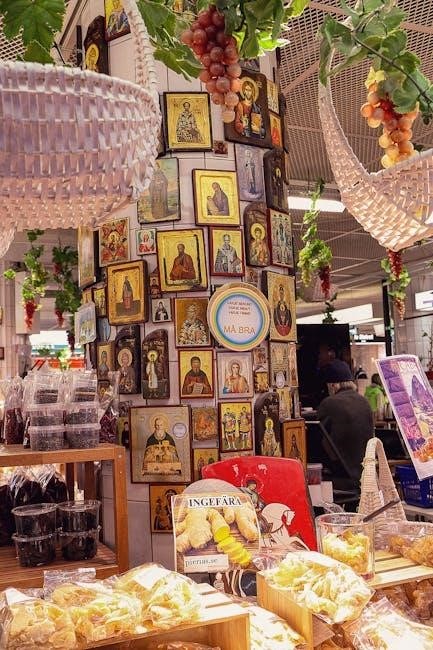
Saints by Patronage
Saints often serve as patrons of specific professions‚ countries‚ or illnesses‚ offering intercession and guidance to those seeking their help and protection.
Patron Saints of Specific Professions
Patron saints for professions demonstrate a historical connection between faith and daily work. For example‚ Saint Luke‚ a physician‚ is the patron saint of doctors and surgeons‚ reflecting his medical knowledge and compassionate care. Saint Joseph‚ a carpenter‚ naturally became the patron saint of carpenters‚ builders‚ and workers.
Journalists look to Saint Francis de Sales‚ known for his writings and communication skills. Bakers find Saint Honorius as their protector‚ while teachers are guided by Saint John Baptist de la Salle. Even newer professions have found patronage; Saint Isidore is often invoked by farmers and those working with technology due to his association with agriculture and practical skills. This tradition highlights the belief that divine assistance can be sought in all aspects of life‚ offering encouragement and blessings in one’s chosen field.
Patron Saints of Countries
Patron saints of countries represent a deep cultural and religious bond‚ often stemming from historical events or a saint’s particular devotion to a nation. Saint Patrick is famously the patron saint of Ireland‚ credited with bringing Christianity to the island and symbolizing Irish identity. Similarly‚ Saint George is the patron saint of England‚ linked to legends of bravery and chivalry.
Saint James the Greater holds this honor for Spain‚ while Saint Andrew protects Scotland. Italy venerates Saint Catherine of Siena‚ and France looks to Saint Joan of Arc. These appointments aren’t arbitrary; they often reflect a saint’s birthplace‚ missionary work within the country‚ or a miraculous intervention benefiting the nation. This practice fosters a sense of national pride and spiritual connection‚ invoking divine protection and guidance for the country and its people.
Patron Saints of Illnesses
Patron saints for illnesses offer spiritual solace and intercession during times of suffering. Saint Peregrine Laziosi is widely invoked as the patron saint of cancer patients‚ having himself battled the disease. Saint Roch‚ having survived the plague‚ is the protector against epidemic diseases and skin ailments. For eye problems‚ Saint Lucy is frequently sought for her intercession‚ while Saint Blaise is known for throat ailments.

Saint Anthony of Padua is often called upon for locating lost items‚ but also aids those suffering from various illnesses. Saint Jude Thaddeus‚ the patron saint of hopeless cases‚ provides comfort to those facing seemingly insurmountable health challenges. These associations developed through historical accounts of miraculous healings attributed to these saints‚ offering hope and faith to those in need of divine assistance and recovery.

Feast Days and Liturgical Calendar
Feast days commemorate saints‚ marking significant dates in their lives with liturgical celebrations. These days enrich the spiritual year‚ honoring divine figures.
The Significance of Feast Days
Feast days hold profound significance within the liturgical calendar‚ serving as dedicated times to commemorate and honor saints and pivotal events in religious history. They aren’t merely historical recollections; rather‚ they are opportunities for spiritual renewal and deepening one’s connection with the divine.
These celebrations often involve special prayers‚ readings from scripture‚ and liturgical practices designed to reflect the life and virtues of the saint being honored. Observing feast days allows believers to draw inspiration from exemplary lives and emulate their faith. Furthermore‚ they reinforce communal bonds‚ fostering a shared sense of identity and purpose within the religious community.
The observance of these days also serves as a reminder of the ongoing presence of the sacred in everyday life‚ transforming ordinary time into moments of grace and devotion. Major holy days like Christmas and Easter‚ alongside saints’ days‚ structure the liturgical year and provide a rhythm for spiritual growth.
Major Feast Days Throughout the Year
The liturgical year is punctuated by numerous major feast days‚ each commemorating significant events or honoring revered saints. Christmas‚ celebrating the birth of Jesus Christ‚ stands as a central observance‚ alongside Epiphany‚ revealing God to the Gentiles. Lent culminates in Holy Week‚ leading to the joyous celebration of Easter‚ marking Christ’s resurrection.
Pentecost follows‚ commemorating the descent of the Holy Spirit. Corpus Christi honors the Eucharist‚ while the Assumption of Mary celebrates her ascent into heaven. All Saints’ Day‚ observed in November‚ honors all saints‚ known and unknown. Specific saints also have dedicated days‚ like Saint Elizabeth Ann Seton on January 4th and Saint Francis Xavier on December 3rd.
These feast days provide structured opportunities for reflection‚ prayer‚ and communal worship‚ enriching the spiritual lives of believers throughout the year and reinforcing core tenets of faith.
Local and Regional Saints’ Days
Beyond universally recognized feast days‚ many regions and localities celebrate saints particularly venerated within their communities. These celebrations often reflect the historical‚ cultural‚ and geographical identity of the area‚ fostering a strong sense of local devotion. The Roman Martyrology acknowledges that some saints are celebrated locally‚ indicating a rich tapestry of regional traditions.
These localized observances might honor patron saints of specific towns‚ cities‚ or even professions prevalent in the region. Festivities can include processions‚ special masses‚ and community gatherings‚ strengthening social bonds and preserving cultural heritage. The specific dates and customs vary widely‚ showcasing the diverse expressions of faith across different locales.
Discovering these local saints’ days offers a deeper understanding of the intimate connection between faith and place.

Resources for Learning About Saints
Online databases‚ comprehensive books‚ and the authoritative Roman Martyrology provide invaluable resources for exploring the lives and legacies of numerous saints.
Online Databases of Saints
Numerous websites serve as excellent starting points for researching saints. These digital resources offer detailed biographies‚ historical context‚ and artistic representations‚ making the study of hagiography accessible to a wider audience. Several platforms compile extensive lists‚ often searchable by name‚ feast day‚ patronage‚ or associated attributes.
For Catholic saints‚ websites like Saints.SQPN.com and CatholicSaints.info provide comprehensive profiles. These databases frequently include information sourced from the Roman Martyrology and other scholarly works. Users can explore chronological listings and discover saints celebrated on specific dates. Beyond Catholicism‚ resources exist for Orthodox and other Christian traditions‚ offering diverse perspectives on sanctity and devotion. These online tools are invaluable for both casual learners and dedicated researchers.
Books and Biographies
Beyond online resources‚ a wealth of literature explores the lives of saints. Traditional hagiographies‚ often written centuries ago‚ provide foundational accounts‚ though modern scholarship offers critical perspectives and nuanced interpretations. Biographies dedicated to individual saints delve into their historical context‚ spiritual journeys‚ and lasting impact.
Butler’s Lives of the Saints remains a classic‚ offering concise yet informative entries for numerous holy figures. More specialized works focus on particular eras or religious orders‚ providing in-depth analyses. Exploring these texts reveals not only the virtues of the saints but also the cultural and theological landscapes in which they lived. The Roman Martyrology itself‚ while a reference work‚ informs many biographical studies‚ offering a chronological listing of saints and their feast days.
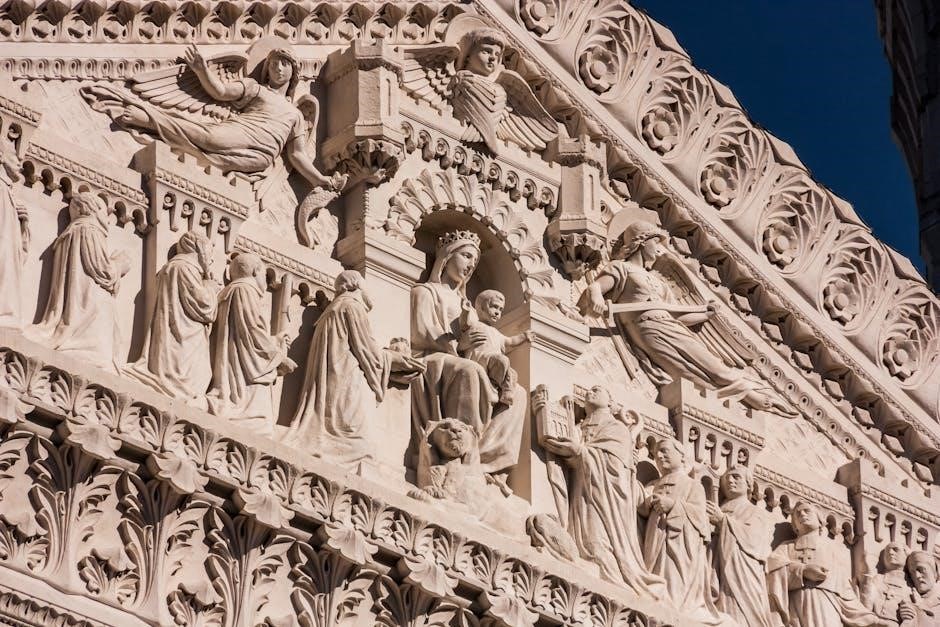
The Roman Martyrology
The Roman Martyrology‚ an official catalog of saints recognized by the Catholic Church‚ serves as a fundamental resource for liturgical celebrations and historical research. Originally compiled in the 16th century‚ it details the names‚ feast days‚ and brief accounts of thousands of saints‚ martyrs‚ and blessed individuals.
While not exhaustive – many local and regional saints aren’t included – it provides a standardized listing used throughout the Church. It’s important to note that inclusion in the Martyrology doesn’t automatically equate to formal canonization. It’s a historical record informing veneration practices and scholarly study‚ often referenced in biographical works about saints‚ offering a chronological foundation for understanding their recognition.